Posts Tagged dentist sleep study
Wednesday, October 12th, 2011
![]() If youre one of the approximately 18 million people that suffer from obstructive sleep apnea (OSA), you might have already seen a doctor for treatment.
OSA
occurs when the soft tissues in the back of the throat obstruct breathing to prevent continuous airflow during sleep. Apnea means a cessation of breathing. This interruption in breathing causes the individual to partially awake repeatedly throughout the night, thus disrupting proper sleep cycles. The sufferer awakes feeling unrested.
If youre one of the approximately 18 million people that suffer from obstructive sleep apnea (OSA), you might have already seen a doctor for treatment.
OSA
occurs when the soft tissues in the back of the throat obstruct breathing to prevent continuous airflow during sleep. Apnea means a cessation of breathing. This interruption in breathing causes the individual to partially awake repeatedly throughout the night, thus disrupting proper sleep cycles. The sufferer awakes feeling unrested.
Left untreated, sleep apnea can give way to other serious health issues
,
including depression, high blood pressure, irritability, sexual dysfunction, learning or memory problems, and falling asleep at inappropriate or dangerous times. Recent studies show resultant sleep deprivation from sleep apnea can lead to brain damage.
Sleep apnea has captured public awareness in recent years, fortunately, and science has devised effective measures to counteract this serious malady. Perhaps the most common solution for OSA is CPAP [
continuous positive airway pressure
.] CPAP devices are typically worn like breathing masks you might see on a patient at a hospital. The CPAP mask utilizes an air hose to direct constant airflow through the nose, preventing collapse of soft tissues so that breathing remains consistent
.
CPAP devices are very effective when used properly.
(more)
Tags:
CPAP
,
cpap intollerant livonia
,
dental sleep treatment
,
dentist livonia
,
dentist sleep study
,
dr james stewart
,
farmington sleep apnea
,
livonia sleep dentist
,
livonia sleep treatment
,
michigan cpap alternative
,
obstructive sleep apnea
,
oral appliance therapy livonia mi
,
sleep better livonia
,
sleep disorder livonia
,
sleep disorders
Posted in
Sleep Disorders
|
No Comments
Friday, May 20th, 2011
![]() Researchers from Case Western Reserve University School of Dental Medicine and University Hospitals of Cleveland reported that patients reduced arthritic pain and the number of swollen joints after treating their dental problems.
Researchers from Case Western Reserve University School of Dental Medicine and University Hospitals of Cleveland reported that patients reduced arthritic pain and the number of swollen joints after treating their dental problems.
It was exciting to find that if we eliminated the infection and inflammation in the gums, then patients with a severe kind of active rheumatoid arthritis reported improvement on the signs and symptoms of that disease. Stated Dr. Nabil Bissada, chair of the schools Department of Periodontics.
This study was not the first to link gum disease and rheumatoid arthritis. Rheumatologists and other clinicians have studied the how gum disease may lead to systematic disease. Dr. Ali Askari, chair of the department of rheumatology at University Hospitals, states that historically, arthritic patients felt better when teeth were pulled or received antibiotics used to treat periodontal disease.
Askari and Bissada worked together, studying 40 patients with moderate to severe periodontal disease and severe rheumatoid arthritis. These inflammatory diseases share similarities in the progression of the disease over time. In both diseases, inflammation caused by toxins from bacterial infection destroys hard and soft tissue. One common toxin revealed in the study, called, tumor necrosis factor-alpha , can initiate new infections or aggravate sites where inflammation already exists.
(more)
Tags:
dental sleep treatment
,
dentist farmington hills
,
dentist farmington hills mi
,
dentist livonia
,
dentist livonia mi
,
dentist sleep study
,
farmington hills mi dentist
,
farmington sleep apnea
,
farmington snoring
,
general dentist detroit
,
general dentist livonia
Posted in
Healthy Living
,
Oral Health
|
No Comments
Friday, April 29th, 2011
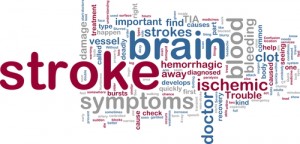 According to a
recent study
conducted at Yale University School of Medicine, people with sleep apnea are more likely to suffer strokes and die in their sleep.
Obstructive sleep apnea
occurs when the upper airway becomes blocked by soft tissue in the mouth or throat. When the blockage restricts oxygen, bloodflow to the brain decreases and blood pressure elevates.
According to a
recent study
conducted at Yale University School of Medicine, people with sleep apnea are more likely to suffer strokes and die in their sleep.
Obstructive sleep apnea
occurs when the upper airway becomes blocked by soft tissue in the mouth or throat. When the blockage restricts oxygen, bloodflow to the brain decreases and blood pressure elevates.
Normally, the brain regulates bloodflow to meet its metabolic needs through a process called cerebral autoregulation. The study showed that repeated decreases in bloodflow and spikes in blood pressure, caused by numerous episodes of apnea, reduced the brains ability to regulate these functions.
The study also revealed that people with sleep apnea were three times more likely to suffer a stroke than people who slept normally through the night. After we found that sleep apnea is a risk factor for stroke and death, independent of other risk factors, we hypothesized that there must be something wrong with the regulation of bloodflow to the brain, stated Dr. Vahid Moshsenin, one of the leading researchers.
(more)
Tags:
dental sleep treatment
,
dentist farmington hills
,
dentist farmington hills mi
,
dentist livonia
,
dentist livonia mi
,
dentist sleep study
,
farmington hills mi dentist
,
farmington sleep apnea
,
farmington snoring
,
general dentist livonia
,
general dentist livonia mi
,
livonia sleep apnea
,
livonia sleep dentist
,
livonia sleep doctor
,
livonia sleep lab
,
obstructive sleep apnea
,
sleep apnea livonia
,
sleep better livonia
,
sleep disorder livonia
Posted in
About Sleep
,
Sleep Disorders
,
Sleep Study
|
No Comments
Thursday, April 14th, 2011
 Studies have shown that poor nutrition increases a womans risk of cancer, diabetes, heart disease, and osteoporosis. When women typically diet, they may deplete their bodies of essential vitamins and minerals. Doctors and dentists recommend women incorporate foods full of vitamins and minerals because the body will use food-sourced vitamins more efficiently than supplements.
Our bodies are like luxury vehicles; you cant put low-grade nutrients in them and expect them to run well. Consume the following nutrients daily to maintain healthy oral and overall health:
Calcium: Women typically need 1,000 to 1,500 milligrams of calcium a day to maintain strong bones and teeth. Good sources of calcium are dairy and soy products. As women age, they need to increase their calcium intake to prevent osteoporis.
(more)
Tags:
cosmetic dentist livonia
,
dental sleep treatment
,
dentist farmington hills
,
dentist farmington hills mi
,
dentist livonia
,
dentist livonia mi
,
dentist sleep study
,
detroit general dentist
,
farmington hills mi dentist
,
farmington sleep apnea
,
general dentist detroit
,
general dentist livonia
,
general dentist livonia mi
,
gum disease treatment livonia
,
livonia cosmetic dentist
,
livonia dentist
,
livonia general dentist
,
livonia mi dentist
,
livonia mi general dentist
,
livonia sleep dentist
,
livonia sleep doctor
,
livonia sleep lab
,
oral health livonia mi
Posted in
Family Dentistry
,
Healthy Living
,
Livonia General Dentistry
,
Oral Health
|
No Comments
Monday, April 11th, 2011
 Lack of sleep worsens
periodontal disease
. During a study conducted in Japan, 219 factory workers were evaluated to determine the affect their lifestyles had on their oral health. Researchers examined lifestyle habits, including: exercise, alcohol consumption, tobacco use, amount of sleep, nutrition, stress, number of hours worked, and eating breakfast. The study revealed the number-one factor impacting periodontal disease was smoking. However, the number two factor was sleep.
Lack of sleep worsens
periodontal disease
. During a study conducted in Japan, 219 factory workers were evaluated to determine the affect their lifestyles had on their oral health. Researchers examined lifestyle habits, including: exercise, alcohol consumption, tobacco use, amount of sleep, nutrition, stress, number of hours worked, and eating breakfast. The study revealed the number-one factor impacting periodontal disease was smoking. However, the number two factor was sleep.
Participants who obtained seven to eight hours of sleep a night exhibited a slower progression of periodontal disease than those who received six or fewer hours a night. Researchers concluded that a shortage of sleep can impair the bodys immune system, which can make periodontal disease progress more rapidly.
(more)
Tags:
cosmetic dentist livonia
,
dental sleep treatment
,
dentist farmington hills
,
dentist farmington hills mi
,
dentist livonia
,
dentist livonia mi
,
dentist sleep study
,
detroit general dentist
,
dr james stewart
,
farmington hills mi dentist
,
farmington sleep apnea
,
farmington snoring
,
general dentist detroit
,
general dentist livonia
,
general dentist livonia mi
,
gum disease treatment livonia
,
livonia cosmetic dentist
,
livonia dentist
,
livonia family dentist
,
livonia general dentist
,
livonia mi dentist
,
livonia mi general dentist
,
livonia sleep apnea
,
livonia sleep dentist
,
livonia sleep doctor
,
livonia sleep lab
,
livonia sleep treatment
,
obstructive sleep apnea
,
oral health livonia mi
,
sleep better livonia
,
sleep disorder michigan
Posted in
Family Dentistry
,
Healthy Living
,
Livonia General Dentistry
,
Oral Health
,
Sleep Disorders
|
No Comments
Monday, April 4th, 2011
 Sleep apnea
and excessive daytime sleepiness not only lead to foggy days, but increase the risk of death for
people 65 years and older
. A
recent study
conducted at the University of Pennsylvania Health System showed the combination of the two disorders significantly increased the risk.
Sleep apnea
and excessive daytime sleepiness not only lead to foggy days, but increase the risk of death for
people 65 years and older
. A
recent study
conducted at the University of Pennsylvania Health System showed the combination of the two disorders significantly increased the risk.
The study conducted from 1993 through 1998 revealed that suffers of both sleep apnea and excessive daytime sleepiness were two times more likely to die than those who complained of just one of these disorders.
Half of the participants experienced high levels of excessive daytime sleepiness. The problem, believed to be a normal effect of aging, creates a greater chance of falling, cognitive deficits, and functional impairments.
(more)
Tags:
cosmetic dentist livonia
,
dental sleep treatment
,
dentist farmington hills
,
dentist farmington hills mi
,
dentist livonia
,
dentist livonia mi
,
dentist sleep study
,
farmington hills mi dentist
,
farmington sleep apnea
,
farmington snoring
,
general dentist detroit
,
general dentist livonia
,
general dentist livonia mi
,
livonia cosmetic dentist
,
livonia dentist
,
livonia family dentist
,
livonia general dentist
,
livonia mi dentist
,
livonia mi general dentist
,
livonia sleep dentist
,
livonia sleep doctor
,
livonia sleep lab
,
livonia sleep treatment
,
livonia snoring treatment
,
obstructive sleep apnea
,
oral health livonia mi
,
sleep better livonia
,
sleep disorder livonia
,
sleep disorders
,
stop snoring
,
stop snoring in livonia
,
stop snoring livonia
Posted in
About Sleep
,
Healthy Living
,
Sleep Disorders
,
Sleep Study
|
No Comments
Monday, February 14th, 2011
![]() In a ground-breaking study, researchers from University Hospitals Case Medical Center and Case Western Reserve University School of Medicine have found that individuals who average less than six hours of sleep a night are 50% more like to increase their risk of colorectal adenomas than those individuals who get at least seven hours of sleep a night. Adenomas are precursors to cancer tumors, and if left untreated, they turn malignant.
In a ground-breaking study, researchers from University Hospitals Case Medical Center and Case Western Reserve University School of Medicine have found that individuals who average less than six hours of sleep a night are 50% more like to increase their risk of colorectal adenomas than those individuals who get at least seven hours of sleep a night. Adenomas are precursors to cancer tumors, and if left untreated, they turn malignant.
According to Dr. Li Li, the studys principal investigator, this is the first study to report the association between sleep duration and colorectal adenomas. A short amount of sleep can now be viewed as a new risk factor for the development of colon cancer, Dr. Li explained.
(more)
Tags:
dental sleep treatment
,
dentist sleep study
,
dr james stewart
,
general dentist livonia mi
,
livonia sleep dentist
,
livonia sleep doctor
,
livonia sleep lab
,
livonia sleep treatment
,
obstructive sleep apnea
,
sleep disorders
,
stop snoring in livonia
Posted in
About Sleep
,
Healthy Living
,
Sleep Disorders
,
Sleep Study
|
No Comments
Tuesday, August 17th, 2010
If you dont sleep well, quality of life suffers. Thats just a fact. Studies show a startling link between overall health, state of mind, and quality of sleep. WebMD published an article this week that shares some of the negative results poor sleep.
![]()
-
A sleep disorder or not getting enough sleep increases the risk for heart attack, heart disease, diabetes, obesity, Alzheimers disease, low-weight birth, diabetes complications, and other serious health problems. In addition, your bodys immune system will weaken without good sleep. Youll be more prone to catch colds, the flu, and other communicable diseases.
-
Getting good rest can help relieve pain, whether chronic or injury related. In the WebMD article, one doctor was quoted as saying that a sleeping medication can be more effective than a painkiller.
-
When your mind and body are well rested, youre at less risk for accidents. Some of the biggest disasters in history, like the Exxon Valdez and the Challenger, are directly linked to a person who did not get proper sleep. In fact, one million car crashes a year in our nation occur when the driver is tired.
-
Youll have a better state of mindyoull feel goodwhen you sleep well. Tired people often feel irritable, stressed, emotional, and they also have a higher suicide risk. Now, good sleep wont guarantee a life of happiness, but it will help promote a positive mental outlook.
-
People who dont get enough sleep may be prone to gaining weight or having a weight problem. Leptin is a hormone that controls hunger. Inadequate sleep allows leptin levels to drop, so youre more likely to feel hungry which mean youll eat! In addition, if youre tired, do you really have the energy to exercise? Probably not.
(more)
Tags:
dental sleep treatment
,
dentist sleep study
,
farmington sleep apnea
,
livonia sleep dentist
,
livonia sleep doctor
,
livonia sleep lab
,
obstructive sleep apnea
,
sleep mouth piece
,
sleep problems
,
stop snoring
Posted in
About Sleep
,
Sleep Disorders
|
No Comments
Monday, August 2nd, 2010
![]() Are you concerned about your teens sleep habits? Teenagers should get about 9 hours of sleep a night. Drinking energy colas, sodas, and coffeeand even excessive cell phone usecan negatively affect sleep in teens.
Are you concerned about your teens sleep habits? Teenagers should get about 9 hours of sleep a night. Drinking energy colas, sodas, and coffeeand even excessive cell phone usecan negatively affect sleep in teens.
Other interesting sleep facts about kids and teens:
-
Furthermore, teens who are morning people tend to get better grades.
-
Teens who get more sleep seem to perform better in athletics.
-
Kids who suffer with migraines are more likely to have sleep disorders.
-
Kids with sleep-related breathing disorders can have blood pressure problems during sleep.
-
Snoring in kids affects cardiovascular function.
-
Kids who sleep well listen better.
-
Children who have sleep apnea are at increased risk for brain damage or lower IQ.
(more)
Tags:
childrens sleep disorders
,
dental sleep treatment
,
dentist sleep study
,
livonia dentist
,
livonia sleep dentist
,
livonia sleep doctor
,
livonia sleep lab
,
obstructive sleep apnea
,
OSA treatment
,
sleep apnea therapy
,
sleep apnea treatment
,
teen sleep disorders
Posted in
About Sleep
,
Sleep Disorders
|
No Comments
Sunday, August 1st, 2010
I am trying to learn all I can about sleep medicine. As part of my education the staff at St. Mary Mercy Hospitals Sleep Disorders Center suggested that I have a sleep test of my own. What a great idea for me to experience what I suggest many of my patients have done!
Prior to my test, there was a questionnaire to fill out as well as some basic instructions to follow such as maintaining my regular sleep times, avoiding alcohol and caffeine, etc. I arrived at 9:00pm for my study and like most patients who have this test done, I was tired.
The room where I was to spend the night was just like a hotel room. It was very comfortable and quiet with a chair and TV, nothing clinical about it. The technologist, Eric did a great job of explaining what was going to happen that night and what he would be monitoring. And there is a lot that is monitored!
(more)
Tags:
CPAP
,
dentist sleep study
,
livonia sleep dentists
,
livonia sleep treatment
,
obstructive sleep apnea
,
OSA
,
sleep disorder test
,
sleep disorders
,
sleep lab expereince
,
sleep study journal
,
stop snoring
,
stop snoring in livonia
Posted in
Sleep Study
|
No Comments