Posts Tagged obstructive sleep apnea
Wednesday, October 12th, 2011
![]() If youre one of the approximately 18 million people that suffer from obstructive sleep apnea (OSA), you might have already seen a doctor for treatment.
OSA
occurs when the soft tissues in the back of the throat obstruct breathing to prevent continuous airflow during sleep. Apnea means a cessation of breathing. This interruption in breathing causes the individual to partially awake repeatedly throughout the night, thus disrupting proper sleep cycles. The sufferer awakes feeling unrested.
If youre one of the approximately 18 million people that suffer from obstructive sleep apnea (OSA), you might have already seen a doctor for treatment.
OSA
occurs when the soft tissues in the back of the throat obstruct breathing to prevent continuous airflow during sleep. Apnea means a cessation of breathing. This interruption in breathing causes the individual to partially awake repeatedly throughout the night, thus disrupting proper sleep cycles. The sufferer awakes feeling unrested.
Left untreated, sleep apnea can give way to other serious health issues
,
including depression, high blood pressure, irritability, sexual dysfunction, learning or memory problems, and falling asleep at inappropriate or dangerous times. Recent studies show resultant sleep deprivation from sleep apnea can lead to brain damage.
Sleep apnea has captured public awareness in recent years, fortunately, and science has devised effective measures to counteract this serious malady. Perhaps the most common solution for OSA is CPAP [
continuous positive airway pressure
.] CPAP devices are typically worn like breathing masks you might see on a patient at a hospital. The CPAP mask utilizes an air hose to direct constant airflow through the nose, preventing collapse of soft tissues so that breathing remains consistent
.
CPAP devices are very effective when used properly.
(more)
Tags:
CPAP
,
cpap intollerant livonia
,
dental sleep treatment
,
dentist livonia
,
dentist sleep study
,
dr james stewart
,
farmington sleep apnea
,
livonia sleep dentist
,
livonia sleep treatment
,
michigan cpap alternative
,
obstructive sleep apnea
,
oral appliance therapy livonia mi
,
sleep better livonia
,
sleep disorder livonia
,
sleep disorders
Posted in
Sleep Disorders
|
No Comments
Sunday, October 9th, 2011
![]() Awareness about the detrimental effects of sleep apnea is increasing. Sleep apnea is responsible for a growing list of health problems for millions of individuals. Some of these troubles are less urgent, but some are life threatening.
Awareness about the detrimental effects of sleep apnea is increasing. Sleep apnea is responsible for a growing list of health problems for millions of individuals. Some of these troubles are less urgent, but some are life threatening.
James Stewart, DDS
, is a sleep apnea expert, and he offers various treatment options to help his patients lead healthier, more rewarding lives.
So what kind of connection does a sleep disorder have on the brain, and why are dentists playing such a huge role in the fight against it?
There are three kinds of sleep apnea
:
1)
Central Sleep Apnea [CSA].
This occurs when neurological mechanisms controlled by the brain fail to signal the body to inhale, resulting in missed breathing cycles. The lapse in breathing happens again and again throughout the night.
2)
Obstructive Sleep Apnea
[OSA].
The most common form of sleep apnea. OSA is caused by upper airway obstruction preventing airflow. The disruption causes the individuals sleep pattern to become broken, and natural, critical sleep cycles cannot run their course.
3)
Complex or mixed apnea
. A combination of the two disorders.
The result of
sleep apnea
through the night is significant sleep loss. Other problems include:
-
Low productivity during the day.
-
Irritability, forgetfulness, and poor concentration.
-
Dangers of sleepiness when alertness is critical, such as when driving or operating dangerous machinery.
-
Health problems, including heart attack, stroke, impotence, and depression.
-
Comparable disturbed sleep for sleep partners.
But science is showing the deeper connotations are much more serious. Consequential sleep deprivation can eventually cause
brain damage
, with reduced gray matter density. Sleep scientists assert that sleep apnea sufferers brains eventually lose ability to rejuvenate and maintain plasticity, meaning accelerated aging of the brain.
(more)
Tags:
dental sleep treatment
,
dentist livonia mi
,
dr james stewart
,
farmington sleep apnea
,
gum disease treatment livonia
,
livonia sleep apnea
,
livonia sleep dentist
,
obstructive sleep apnea
,
sleep better livonia
,
sleep disorder livonia
,
sleep disorders
,
stop snoring in livonia
,
stop snoring livonia
Posted in
About Sleep
,
Sleep Disorders
|
No Comments
Friday, April 29th, 2011
 According to a
recent study
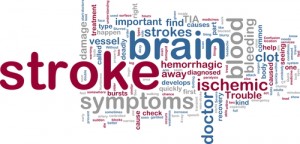
conducted at Yale University School of Medicine, people with sleep apnea are more likely to suffer strokes and die in their sleep.
Obstructive sleep apnea
occurs when the upper airway becomes blocked by soft tissue in the mouth or throat. When the blockage restricts oxygen, bloodflow to the brain decreases and blood pressure elevates.
According to a
recent study
conducted at Yale University School of Medicine, people with sleep apnea are more likely to suffer strokes and die in their sleep.
Obstructive sleep apnea
occurs when the upper airway becomes blocked by soft tissue in the mouth or throat. When the blockage restricts oxygen, bloodflow to the brain decreases and blood pressure elevates.
Normally, the brain regulates bloodflow to meet its metabolic needs through a process called cerebral autoregulation. The study showed that repeated decreases in bloodflow and spikes in blood pressure, caused by numerous episodes of apnea, reduced the brains ability to regulate these functions.
The study also revealed that people with sleep apnea were three times more likely to suffer a stroke than people who slept normally through the night. After we found that sleep apnea is a risk factor for stroke and death, independent of other risk factors, we hypothesized that there must be something wrong with the regulation of bloodflow to the brain, stated Dr. Vahid Moshsenin, one of the leading researchers.
(more)
Tags:
dental sleep treatment
,
dentist farmington hills
,
dentist farmington hills mi
,
dentist livonia
,
dentist livonia mi
,
dentist sleep study
,
farmington hills mi dentist
,
farmington sleep apnea
,
farmington snoring
,
general dentist livonia
,
general dentist livonia mi
,
livonia sleep apnea
,
livonia sleep dentist
,
livonia sleep doctor
,
livonia sleep lab
,
obstructive sleep apnea
,
sleep apnea livonia
,
sleep better livonia
,
sleep disorder livonia
Posted in
About Sleep
,
Sleep Disorders
,
Sleep Study
|
No Comments
Monday, April 11th, 2011
 Lack of sleep worsens
periodontal disease
. During a study conducted in Japan, 219 factory workers were evaluated to determine the affect their lifestyles had on their oral health. Researchers examined lifestyle habits, including: exercise, alcohol consumption, tobacco use, amount of sleep, nutrition, stress, number of hours worked, and eating breakfast. The study revealed the number-one factor impacting periodontal disease was smoking. However, the number two factor was sleep.
Lack of sleep worsens
periodontal disease
. During a study conducted in Japan, 219 factory workers were evaluated to determine the affect their lifestyles had on their oral health. Researchers examined lifestyle habits, including: exercise, alcohol consumption, tobacco use, amount of sleep, nutrition, stress, number of hours worked, and eating breakfast. The study revealed the number-one factor impacting periodontal disease was smoking. However, the number two factor was sleep.
Participants who obtained seven to eight hours of sleep a night exhibited a slower progression of periodontal disease than those who received six or fewer hours a night. Researchers concluded that a shortage of sleep can impair the bodys immune system, which can make periodontal disease progress more rapidly.
(more)
Tags:
cosmetic dentist livonia
,
dental sleep treatment
,
dentist farmington hills
,
dentist farmington hills mi
,
dentist livonia
,
dentist livonia mi
,
dentist sleep study
,
detroit general dentist
,
dr james stewart
,
farmington hills mi dentist
,
farmington sleep apnea
,
farmington snoring
,
general dentist detroit
,
general dentist livonia
,
general dentist livonia mi
,
gum disease treatment livonia
,
livonia cosmetic dentist
,
livonia dentist
,
livonia family dentist
,
livonia general dentist
,
livonia mi dentist
,
livonia mi general dentist
,
livonia sleep apnea
,
livonia sleep dentist
,
livonia sleep doctor
,
livonia sleep lab
,
livonia sleep treatment
,
obstructive sleep apnea
,
oral health livonia mi
,
sleep better livonia
,
sleep disorder michigan
Posted in
Family Dentistry
,
Healthy Living
,
Livonia General Dentistry
,
Oral Health
,
Sleep Disorders
|
No Comments
Monday, April 4th, 2011
 Sleep apnea
and excessive daytime sleepiness not only lead to foggy days, but increase the risk of death for
people 65 years and older
. A
recent study
conducted at the University of Pennsylvania Health System showed the combination of the two disorders significantly increased the risk.
Sleep apnea
and excessive daytime sleepiness not only lead to foggy days, but increase the risk of death for
people 65 years and older
. A
recent study
conducted at the University of Pennsylvania Health System showed the combination of the two disorders significantly increased the risk.
The study conducted from 1993 through 1998 revealed that suffers of both sleep apnea and excessive daytime sleepiness were two times more likely to die than those who complained of just one of these disorders.
Half of the participants experienced high levels of excessive daytime sleepiness. The problem, believed to be a normal effect of aging, creates a greater chance of falling, cognitive deficits, and functional impairments.
(more)
Tags:
cosmetic dentist livonia
,
dental sleep treatment
,
dentist farmington hills
,
dentist farmington hills mi
,
dentist livonia
,
dentist livonia mi
,
dentist sleep study
,
farmington hills mi dentist
,
farmington sleep apnea
,
farmington snoring
,
general dentist detroit
,
general dentist livonia
,
general dentist livonia mi
,
livonia cosmetic dentist
,
livonia dentist
,
livonia family dentist
,
livonia general dentist
,
livonia mi dentist
,
livonia mi general dentist
,
livonia sleep dentist
,
livonia sleep doctor
,
livonia sleep lab
,
livonia sleep treatment
,
livonia snoring treatment
,
obstructive sleep apnea
,
oral health livonia mi
,
sleep better livonia
,
sleep disorder livonia
,
sleep disorders
,
stop snoring
,
stop snoring in livonia
,
stop snoring livonia
Posted in
About Sleep
,
Healthy Living
,
Sleep Disorders
,
Sleep Study
|
No Comments
Thursday, March 24th, 2011
 Maintaining a proper pH level in your mouth can prevent tooth decay and
gum disease
. Continual consumption of foods with low pH levels can also lead to irreversible dental erosion. Im
Dr. James Stewart
, a
dentist in Livonia, MI.
, and I want to discuss why acidic foods should be consumed in moderation.
Maintaining a proper pH level in your mouth can prevent tooth decay and
gum disease
. Continual consumption of foods with low pH levels can also lead to irreversible dental erosion. Im
Dr. James Stewart
, a
dentist in Livonia, MI.
, and I want to discuss why acidic foods should be consumed in moderation.
Potential of hydrogen (pH) is the standard measure of acidity, and it is measured on a scale of 0-14. A low pH means the solution contains more acid. High pH means the solution rates alkaline. When a solution tests at a 7, it is considered neutral.
Acidic foods cause tooth enamel to weaken for a short period of time. Saliva, an alkaline, normally restores the pH balance in your mouth. Enamel generally rehardens after 30 minutes. However, excessive consumption of acidic foods or drinks causes the pH balance to remain too low for the mouth to heal itself. Thus, you increase your risk of tooth decay.
(more)
Tags:
dentist farmington hills
,
dentist farmington hills mi
,
dentist livonia
,
dentist livonia mi
,
detroit general dentist
,
farmington hills mi dentist
,
farmington sleep apnea
,
general dentist detroit
,
general dentist livonia
,
general dentist livonia mi
,
livonia cosmetic dentist
,
livonia dentist
,
livonia family dentist
,
livonia general dentist
,
livonia mi general dentist
,
livonia sleep apnea
,
livonia sleep dentist
,
livonia sleep lab
,
obstructive sleep apnea
,
oral health livonia mi
Posted in
Family Dentistry
,
Healthy Living
,
Livonia General Dentistry
,
Oral Health
|
No Comments
Friday, February 18th, 2011
![]() The third Monday in February represents the combined birthday celebration of our first and sixteen presidents, George Washington and Abraham Lincoln, along with recognizing all former presidents. Lincolns birthday is February 12
th
, and Washingtons Birthday is February 22
nd
. While George Washingtons Birthday was a federal holiday, Abraham Lincolns was a state-recognized holiday only. Presidents Day is still officially in the congressional book as George Washingtons Birthday. Advertisers made the push in the 1980s to call it Presidents Day.
The third Monday in February represents the combined birthday celebration of our first and sixteen presidents, George Washington and Abraham Lincoln, along with recognizing all former presidents. Lincolns birthday is February 12
th
, and Washingtons Birthday is February 22
nd
. While George Washingtons Birthday was a federal holiday, Abraham Lincolns was a state-recognized holiday only. Presidents Day is still officially in the congressional book as George Washingtons Birthday. Advertisers made the push in the 1980s to call it Presidents Day.
Here are some other interesting facts about George Washington and Abraham Lincoln that you may not know:
1. Washingtons teeth were not made out of wood, but instead out of ivory, gold, lead, and human or animal teeth.
2. Lincoln hated his nickname Honest Abe. His friends called him either Mr. Lincoln or Lincoln.
(more)
Tags:
community events detroit
,
dr james stewart
,
general dentist livonia mi
,
livonia dentist
,
livonia general dentist
,
obstructive sleep apnea
,
presidents day
,
presidents day tidbits
,
presidents day trivial
,
sleep better livonia
Posted in
Community Events
,
General
,
Just for Fun
|
No Comments
Monday, February 14th, 2011
![]() In a ground-breaking study, researchers from University Hospitals Case Medical Center and Case Western Reserve University School of Medicine have found that individuals who average less than six hours of sleep a night are 50% more like to increase their risk of colorectal adenomas than those individuals who get at least seven hours of sleep a night. Adenomas are precursors to cancer tumors, and if left untreated, they turn malignant.
In a ground-breaking study, researchers from University Hospitals Case Medical Center and Case Western Reserve University School of Medicine have found that individuals who average less than six hours of sleep a night are 50% more like to increase their risk of colorectal adenomas than those individuals who get at least seven hours of sleep a night. Adenomas are precursors to cancer tumors, and if left untreated, they turn malignant.
According to Dr. Li Li, the studys principal investigator, this is the first study to report the association between sleep duration and colorectal adenomas. A short amount of sleep can now be viewed as a new risk factor for the development of colon cancer, Dr. Li explained.
(more)
Tags:
dental sleep treatment
,
dentist sleep study
,
dr james stewart
,
general dentist livonia mi
,
livonia sleep dentist
,
livonia sleep doctor
,
livonia sleep lab
,
livonia sleep treatment
,
obstructive sleep apnea
,
sleep disorders
,
stop snoring in livonia
Posted in
About Sleep
,
Healthy Living
,
Sleep Disorders
,
Sleep Study
|
No Comments
Tuesday, December 7th, 2010
![]() According to WrongDiagnosis.com, there are 12 million Americans who suffer from
obstructive sleep apnea (OSA)
. Thats one in 22 or nearly 4.5% of the population. The startling statistic is the undiagnosed cases, though. About 10 million Americans dont know that they have obstructive sleep apnea. They live with the symptoms and problems from OSA, yet they never seek treatment because they dont realize the problem or they think that what theyre experiencing is normal.
According to WrongDiagnosis.com, there are 12 million Americans who suffer from
obstructive sleep apnea (OSA)
. Thats one in 22 or nearly 4.5% of the population. The startling statistic is the undiagnosed cases, though. About 10 million Americans dont know that they have obstructive sleep apnea. They live with the symptoms and problems from OSA, yet they never seek treatment because they dont realize the problem or they think that what theyre experiencing is normal.
However, obstructive sleep apnea is serious. It can increase the risk for heart attack and premature death. If you or your loved one shows one or more of these symptoms, please call my office,
James Stewart, DDS, PA, in Livonia, Michigan
. I have helped many people realize improved sleep and better quality living with non-invasive dental sleep medicine.
Symptoms of Obstructive Sleep Apnea
-
Loud snoring
-
Abruptly waking while choking or gasping for air
-
Tiredness, fatigue
-
Irritability
(more)
Tags:
farmington sleep apnea
,
farmington snoring
,
livonia sleep treatment
,
obstructive sleep apnea
,
OSA treatment
,
sleep apnea
,
sleep disorder livonia
,
sleep disorder michigan
,
sleep disorders
,
stop snoring livonia
Posted in
About Sleep
,
OSA Treatments
,
Sleep Disorders
|
No Comments
Tuesday, September 7th, 2010
![]() I thought Id tell you about some recent data regarding our veterans and sleep apnea.
I thought Id tell you about some recent data regarding our veterans and sleep apnea.
Experts arent exactly sure why, but about 20% of American war veterans suffer with sleep apnea. Some believe that the smoke and dust the vets inhaled in Afghanistan may be to blame. Problem is, sleep apnea causes daytime drowsiness, forgetfulness, irritability, and an inability to focus. It can also contribute to stroke and heart disease. The Veterans Administration invests $500 million each year to provide treatment to these individuals.
While CPAP is the gold standard for sleep apnea treatment, its not the only option. In many cases, people who use CPAP find the device uncomfortable, ill fitting, or confining during sleep. This leads to noncompliance, meaning patients who dont like it dont use it.
As a sleep apnea dentist, I offer an alternative. My name is Dr. James Stewart, and my Livonia, Michigan dental office provides oral appliances to combat sleep apnea. Whether youre a veteran or not, if you suffer from sleep apnea, and you cant tolerate CPAP, call me to schedule a visit. Well discuss your situation and talk about practical treatment options, so you can get back to living life to the fullest!
(more)
Tags:
dental sleep treatment
,
farmington sleep apnea
,
farmington snoring
,
livonia dentist
,
livonia sleep dentist
,
livonia sleep doctor
,
livonia sleep lab
,
livonia sleep treatment
,
obstructive sleep apnea
,
sleep better livonia
,
sleep disorders
,
stop snoring in livonia
Posted in
Sleep Disorders
|
No Comments