Posts Tagged sleep disorder livonia
Wednesday, October 12th, 2011
![]() If youre one of the approximately 18 million people that suffer from obstructive sleep apnea (OSA), you might have already seen a doctor for treatment.
OSA
occurs when the soft tissues in the back of the throat obstruct breathing to prevent continuous airflow during sleep. Apnea means a cessation of breathing. This interruption in breathing causes the individual to partially awake repeatedly throughout the night, thus disrupting proper sleep cycles. The sufferer awakes feeling unrested.
If youre one of the approximately 18 million people that suffer from obstructive sleep apnea (OSA), you might have already seen a doctor for treatment.
OSA
occurs when the soft tissues in the back of the throat obstruct breathing to prevent continuous airflow during sleep. Apnea means a cessation of breathing. This interruption in breathing causes the individual to partially awake repeatedly throughout the night, thus disrupting proper sleep cycles. The sufferer awakes feeling unrested.
Left untreated, sleep apnea can give way to other serious health issues
,
including depression, high blood pressure, irritability, sexual dysfunction, learning or memory problems, and falling asleep at inappropriate or dangerous times. Recent studies show resultant sleep deprivation from sleep apnea can lead to brain damage.
Sleep apnea has captured public awareness in recent years, fortunately, and science has devised effective measures to counteract this serious malady. Perhaps the most common solution for OSA is CPAP [
continuous positive airway pressure
.] CPAP devices are typically worn like breathing masks you might see on a patient at a hospital. The CPAP mask utilizes an air hose to direct constant airflow through the nose, preventing collapse of soft tissues so that breathing remains consistent
.
CPAP devices are very effective when used properly.
(more)
Tags:
CPAP
,
cpap intollerant livonia
,
dental sleep treatment
,
dentist livonia
,
dentist sleep study
,
dr james stewart
,
farmington sleep apnea
,
livonia sleep dentist
,
livonia sleep treatment
,
michigan cpap alternative
,
obstructive sleep apnea
,
oral appliance therapy livonia mi
,
sleep better livonia
,
sleep disorder livonia
,
sleep disorders
Posted in
Sleep Disorders
|
No Comments
Sunday, October 9th, 2011
![]() Awareness about the detrimental effects of sleep apnea is increasing. Sleep apnea is responsible for a growing list of health problems for millions of individuals. Some of these troubles are less urgent, but some are life threatening.
Awareness about the detrimental effects of sleep apnea is increasing. Sleep apnea is responsible for a growing list of health problems for millions of individuals. Some of these troubles are less urgent, but some are life threatening.
James Stewart, DDS
, is a sleep apnea expert, and he offers various treatment options to help his patients lead healthier, more rewarding lives.
So what kind of connection does a sleep disorder have on the brain, and why are dentists playing such a huge role in the fight against it?
There are three kinds of sleep apnea
:
1)
Central Sleep Apnea [CSA].
This occurs when neurological mechanisms controlled by the brain fail to signal the body to inhale, resulting in missed breathing cycles. The lapse in breathing happens again and again throughout the night.
2)
Obstructive Sleep Apnea
[OSA].
The most common form of sleep apnea. OSA is caused by upper airway obstruction preventing airflow. The disruption causes the individuals sleep pattern to become broken, and natural, critical sleep cycles cannot run their course.
3)
Complex or mixed apnea
. A combination of the two disorders.
The result of
sleep apnea
through the night is significant sleep loss. Other problems include:
-
Low productivity during the day.
-
Irritability, forgetfulness, and poor concentration.
-
Dangers of sleepiness when alertness is critical, such as when driving or operating dangerous machinery.
-
Health problems, including heart attack, stroke, impotence, and depression.
-
Comparable disturbed sleep for sleep partners.
But science is showing the deeper connotations are much more serious. Consequential sleep deprivation can eventually cause
brain damage
, with reduced gray matter density. Sleep scientists assert that sleep apnea sufferers brains eventually lose ability to rejuvenate and maintain plasticity, meaning accelerated aging of the brain.
(more)
Tags:
dental sleep treatment
,
dentist livonia mi
,
dr james stewart
,
farmington sleep apnea
,
gum disease treatment livonia
,
livonia sleep apnea
,
livonia sleep dentist
,
obstructive sleep apnea
,
sleep better livonia
,
sleep disorder livonia
,
sleep disorders
,
stop snoring in livonia
,
stop snoring livonia
Posted in
About Sleep
,
Sleep Disorders
|
No Comments
Friday, April 29th, 2011
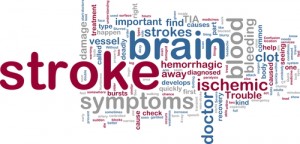 According to a
recent study
conducted at Yale University School of Medicine, people with sleep apnea are more likely to suffer strokes and die in their sleep.
Obstructive sleep apnea
occurs when the upper airway becomes blocked by soft tissue in the mouth or throat. When the blockage restricts oxygen, bloodflow to the brain decreases and blood pressure elevates.
According to a
recent study
conducted at Yale University School of Medicine, people with sleep apnea are more likely to suffer strokes and die in their sleep.
Obstructive sleep apnea
occurs when the upper airway becomes blocked by soft tissue in the mouth or throat. When the blockage restricts oxygen, bloodflow to the brain decreases and blood pressure elevates.
Normally, the brain regulates bloodflow to meet its metabolic needs through a process called cerebral autoregulation. The study showed that repeated decreases in bloodflow and spikes in blood pressure, caused by numerous episodes of apnea, reduced the brains ability to regulate these functions.
The study also revealed that people with sleep apnea were three times more likely to suffer a stroke than people who slept normally through the night. After we found that sleep apnea is a risk factor for stroke and death, independent of other risk factors, we hypothesized that there must be something wrong with the regulation of bloodflow to the brain, stated Dr. Vahid Moshsenin, one of the leading researchers.
(more)
Tags:
dental sleep treatment
,
dentist farmington hills
,
dentist farmington hills mi
,
dentist livonia
,
dentist livonia mi
,
dentist sleep study
,
farmington hills mi dentist
,
farmington sleep apnea
,
farmington snoring
,
general dentist livonia
,
general dentist livonia mi
,
livonia sleep apnea
,
livonia sleep dentist
,
livonia sleep doctor
,
livonia sleep lab
,
obstructive sleep apnea
,
sleep apnea livonia
,
sleep better livonia
,
sleep disorder livonia
Posted in
About Sleep
,
Sleep Disorders
,
Sleep Study
|
No Comments
Monday, April 4th, 2011
 Sleep apnea
and excessive daytime sleepiness not only lead to foggy days, but increase the risk of death for
people 65 years and older
. A
recent study
conducted at the University of Pennsylvania Health System showed the combination of the two disorders significantly increased the risk.
Sleep apnea
and excessive daytime sleepiness not only lead to foggy days, but increase the risk of death for
people 65 years and older
. A
recent study
conducted at the University of Pennsylvania Health System showed the combination of the two disorders significantly increased the risk.
The study conducted from 1993 through 1998 revealed that suffers of both sleep apnea and excessive daytime sleepiness were two times more likely to die than those who complained of just one of these disorders.
Half of the participants experienced high levels of excessive daytime sleepiness. The problem, believed to be a normal effect of aging, creates a greater chance of falling, cognitive deficits, and functional impairments.
(more)
Tags:
cosmetic dentist livonia
,
dental sleep treatment
,
dentist farmington hills
,
dentist farmington hills mi
,
dentist livonia
,
dentist livonia mi
,
dentist sleep study
,
farmington hills mi dentist
,
farmington sleep apnea
,
farmington snoring
,
general dentist detroit
,
general dentist livonia
,
general dentist livonia mi
,
livonia cosmetic dentist
,
livonia dentist
,
livonia family dentist
,
livonia general dentist
,
livonia mi dentist
,
livonia mi general dentist
,
livonia sleep dentist
,
livonia sleep doctor
,
livonia sleep lab
,
livonia sleep treatment
,
livonia snoring treatment
,
obstructive sleep apnea
,
oral health livonia mi
,
sleep better livonia
,
sleep disorder livonia
,
sleep disorders
,
stop snoring
,
stop snoring in livonia
,
stop snoring livonia
Posted in
About Sleep
,
Healthy Living
,
Sleep Disorders
,
Sleep Study
|
No Comments
Tuesday, December 7th, 2010
![]() According to WrongDiagnosis.com, there are 12 million Americans who suffer from
obstructive sleep apnea (OSA)
. Thats one in 22 or nearly 4.5% of the population. The startling statistic is the undiagnosed cases, though. About 10 million Americans dont know that they have obstructive sleep apnea. They live with the symptoms and problems from OSA, yet they never seek treatment because they dont realize the problem or they think that what theyre experiencing is normal.
According to WrongDiagnosis.com, there are 12 million Americans who suffer from
obstructive sleep apnea (OSA)
. Thats one in 22 or nearly 4.5% of the population. The startling statistic is the undiagnosed cases, though. About 10 million Americans dont know that they have obstructive sleep apnea. They live with the symptoms and problems from OSA, yet they never seek treatment because they dont realize the problem or they think that what theyre experiencing is normal.
However, obstructive sleep apnea is serious. It can increase the risk for heart attack and premature death. If you or your loved one shows one or more of these symptoms, please call my office,
James Stewart, DDS, PA, in Livonia, Michigan
. I have helped many people realize improved sleep and better quality living with non-invasive dental sleep medicine.
Symptoms of Obstructive Sleep Apnea
-
Loud snoring
-
Abruptly waking while choking or gasping for air
-
Tiredness, fatigue
-
Irritability
(more)
Tags:
farmington sleep apnea
,
farmington snoring
,
livonia sleep treatment
,
obstructive sleep apnea
,
OSA treatment
,
sleep apnea
,
sleep disorder livonia
,
sleep disorder michigan
,
sleep disorders
,
stop snoring livonia
Posted in
About Sleep
,
OSA Treatments
,
Sleep Disorders
|
No Comments
Tuesday, September 28th, 2010
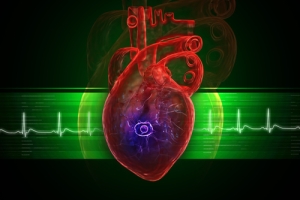 Sleep apnea is behind about 1400 automobile accident fatalities each year. Because sleep apnea patients do not get enough deep, refreshing REM sleep, they are tired during the day. Their responses are delayed, and some tend to fall asleep at inappropriate times, like while driving.
Sleep apnea increases risk of heart attack or death
by 30%. It also makes people more prone to stroke. During sleep apnea episodes, the brain and body do not receive sufficient oxygen. This causes significant stress and, studies show, has a direct influence on risk of heart attack, stroke, and death.
Some experts say that the Exxon Valdez oil spill, Challenger space shuttle crash, and Chernobyl Nuclear disaster can be traced back to sleep apnea.
So, untreated sleep apnea not only increases YOUR risk of fatality, it increases your risk for CAUSING deaths.
Dont let your sleep disorder go undiagnosed and untreated.
Sleep apnea was listed by Readers Digest as one of the top 10 diseases doctors miss
. If you snore, if you awake in the night choking and gasping, if you feel chronically fatigued, irritable, and non-productive, come in and talk with me about a sleep study. Im Dr. James Stewart, a Livonia dentist, and Ive also studied dental sleep medicine. A sleep apnea oral appliance could eliminate your symptoms and give you renewed quality of life. Its helped many of my patients overcome sleep apnea and enjoy refreshing rest. Sleep dentistry also works well for people whove tried CPAP and had poor results.
Give me a call to schedule your sleep apnea consultation today.
Lets put this problem to rest, once and for all!
Tags:
cpap intollerant michigan
,
livonia sleep doctor
,
livonia sleep study
,
michigan cpap alternative
,
michigan sleep apnea doctor
,
michigan sleep doctor
,
sleep apnea diagnosis
,
sleep apnea doctor
,
sleep apnea fatal
,
sleep apnea heart attack
,
sleep better livonia
,
sleep disorder doctor
,
sleep disorder livonia
,
snoring treatment
Posted in
Sleep Disorders
|
No Comments
Wednesday, September 22nd, 2010
![]() Sleep apnea affects approximately 70 million Americans, and the medical expenses, lost productivity, sick leave, and damage cost about $100 billion annually. In addition, obstructive sleep apnea (OSA) can increase a persons risk for auto accident by six times. It also increases a persons risk of heart attack. People with OSA often experience daytime drowsiness, fall asleep at inappropriate times, and suffer from forgetfulness, irritability, depression, and fatigue.
Sleep apnea affects approximately 70 million Americans, and the medical expenses, lost productivity, sick leave, and damage cost about $100 billion annually. In addition, obstructive sleep apnea (OSA) can increase a persons risk for auto accident by six times. It also increases a persons risk of heart attack. People with OSA often experience daytime drowsiness, fall asleep at inappropriate times, and suffer from forgetfulness, irritability, depression, and fatigue.
Falling asleep on the job is bad if you work in an office. Its worse if you
drive a truck for work
. But if your job is flying a commercial aircraft, even
almost
falling asleep is potentially catastrophic but not unheard of. According to anonymously authored responses compiled in the NASA Aviation Safety Reporting System reports, there are
several dozen
instances in which pilots fell asleep at the controls of an aircraft. (Source:
USA Today
)
In studying pilots and sleep apnea, I came across a
Federal Aviation Administrations brochure on Sleep Apnea
that begins with a story about two pilots who fell asleep at the controls and overshot their destination. The 40 passengers and 3 crew members aboard safely deplaned, thank goodness. However, the National Transportation and Safety Administration (NTSA) determined that obstructive sleep apnea and draining work schedules were to blame.
Now, the
FAA requires sleep apnea testing for pilots
.
Im Dr. James Stewart, and I treat obstructive sleep apnea in my Livonia dental office. With conservative oral appliance therapy, my OSA patients have overcome symptoms commonly associated with sleep disorders.
(more)
Tags:
livonia sleep apnea
,
michigan sleep apnea doctor
,
michigan stop snoring
,
osa livonia
,
sleep apnea doctor livonia
,
sleep better livonia
,
sleep disorder livonia
Posted in
Sleeping at Work
|
No Comments
Tuesday, August 24th, 2010
![]() Many people think that snoring is just an annoying habit. Studies show, however, that snoring can indicate sleep apnea, a condition linked to cardiovascular disease.
Many people think that snoring is just an annoying habit. Studies show, however, that snoring can indicate sleep apnea, a condition linked to cardiovascular disease.
Fact:
Men who snore face a 60% (or greater) risk of heart attack. Women who snore are at 50% increased risk for heart attack.
Fact:
When treated for sleep apnea, people who snore significantly reduce their risk of heart attack.
Fact:
Sleep apnea is more common in people with diabetes, high blood pressure, and those who suffer from obesity.
Fact:
Dr. James Stewart
(thats me) offers non-surgical, non-CPAP treatment for obstructive sleep apnea. Treatment reduces risk of heart attack, stroke, congestive heart failure, and heart disease.
(more)
Tags:
better sleep livonia
,
cpap intollerant livonia
,
livonia sleep apnea
,
livonia sleep dentist
,
livonia sleep doctor
,
livonia sleep guard
,
livonia snore guard
,
no cpap livonia
,
sleep apnea dentistry
,
sleep apnea treatment livonia
,
sleep better livonia
,
sleep disorder livonia
,
sleep disordered breathing livonia
,
snoring cessation livonia
,
stop snoring livonia
Posted in
Sleep Disorders
|
No Comments